Cognitive Health
A clinical comparison, conducted with compassion, of two adult cognitive profiles.
Film Breakdown
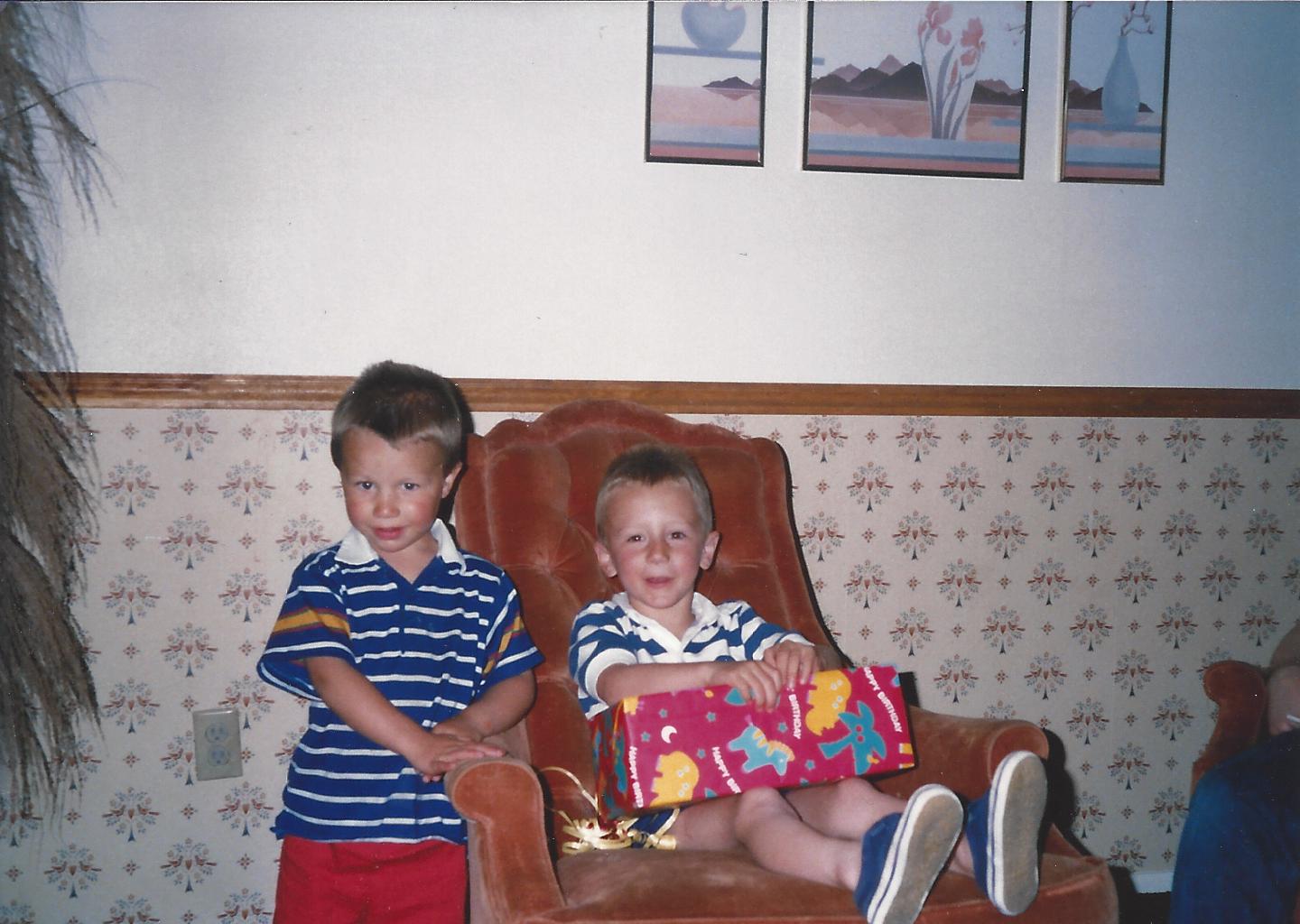
The Institute does not, as a matter of policy, attribute Subject P.'s adult performance entirely to his early-childhood Repetitive Wingback Trauma (RWT). Such a claim would be irresponsible and, in some interpretations, unkind. The Institute does, however, note the temporal correlation between Subject P.'s estimated 14,000 wingback-chair impact events (1995–2003) and the cognitive divergence observed in subsequent decades.
Bentley Folkman, by contrast, has no recorded chair-bouncing tenure. The Wingback Chair itself, deposed by FICSR in 2026, confirmed under oath: "The older brother — the one called Bentley — never bounced. Not once."
The Institute stops short of a clinical diagnosis. It does, however, gently invite Subject P. to consider the possibility — purely as a matter of self-care — that not all of his current behaviors are entirely his fault.
The Numbers
- FIG Cognitive Trajectory vs. Documented Chair-Bouncing Hours, 1995–2003 — scatter plot with strong inverse correlation. R² = 0.91.
- FIG Fake side-by-side MRI — two clean axial brain slices. Bentley's labeled "Within normal limits." Parker's labeled "Additional study warranted." (Obviously, gently fake. Exhibit 14 — pending)
Chart plates render in The Numbers. Final specs pending.
The Receipts
- The Wingback Chair Deposition (excerpted from Testimonials).
- Dr. [REDACTED]'s neurologist statement (from Testimonials).
- AI-edited photo: a young Parker mid-bounce in the wingback chair, with motion blur, captioned as "Surveillance footage, residence of subject's parents, circa 1998. One of an estimated 14,000 documented sessions." (Exhibit 01 — pending)
Bentley wins. The Institute extends mock-compassion to Subject P. and continues to study the long-term effects of RWT. In the meantime, the trophy is awarded to the older brother, who, again, never bounced.